
Heat Styling Without Damage: A Woman’s Guide to Safe Techniques
4 min read
Understanding Heat Styling and Its Effects on Hair
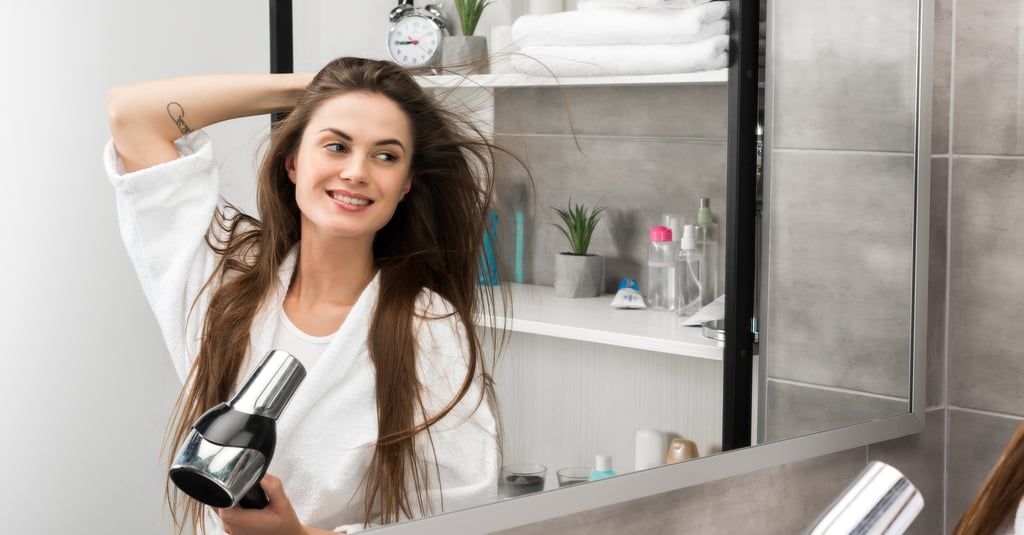
Heat styling encompasses a variety of techniques used to alter the texture and appearance of hair, primarily through the use of tools such as curling irons, flat irons, and blow dryers. These devices create stylish looks by applying direct heat to hair strands, allowing for curls, waves, or straightness. However, while these tools can transform one’s hairstyle, they can also have detrimental effects on hair health over time.
The primary concern associated with heat styling is damage. Prolonged exposure to high temperatures can lead to dryness, brittleness, and in severe cases, split ends. This occurs because hair consists largely of protein, specifically keratin, which gives hair its strength and elasticity. When heat is applied, the structure of the protein can begin to denature, causing a loss of moisture and weakening the hair shaft. As a result, hair may become more prone to breakage and a lack of vibrancy, leading to an overall unhealthy appearance.
Additionally, frequent heat styling can strip the natural oils from the hair, essential for maintaining hydration and luster. Over time, this can result in a cascade of issues, from increased frizz to an overall lack of manageability. Understanding the science behind these thermal transitions is crucial for anyone who regularly employs such styling techniques. The correlation between heat and hair structure reveals that adequate care and protective measures are critical to prevent lasting damage while enjoying the benefits of heat styling.
Essential Preparation Steps for Safe Heat Styling
To achieve a polished look while minimizing hair damage, it is crucial to prepare hair properly before heat styling. A foundational step is washing and conditioning your hair with quality products tailored to your hair type. This ensures that your locks are clean and sufficiently nourished, which helps in enhancing the hair's resilience to heat exposure.
After washing, the application of a leave-in conditioner is highly beneficial. Leave-in conditioners provide an additional layer of moisture, which is essential for maintaining hydration in the hair strands. This step is particularly important for those with dry or curly hair, as it prevents excessive dryness that can lead to brittleness when exposed to heat.
Another critical aspect of preparing your hair for styling involves the use of heat protectants. A high-quality heat protectant acts as a barrier between your hair and the heat source, significantly reducing the risk of damage. These products typically contain silicones or proteins that coat the hair, effectively minimizing moisture loss and protecting the cuticle. It is advisable to apply the heat protectant on damp hair before employing any styling tools.
Moreover, drying hair properly sets the stage for safe heat styling. To avoid unnecessary damage, ensure that your hair is allowed to air dry partially or use a blow dryer on a low heat setting. This reduces the amount of direct heat exposure. Additionally, be gentle when detangling your hair; use a wide-tooth comb or a detangling brush to minimize breakage.
Lastly, selecting the right styling products tailored to your desired hairstyle can also help in safeguarding hair health during the heat styling process. Opt for products that are lightweight and designed to withstand heat, which will aid in maintaining the integrity of your hair while achieving your styling goals.
Safe Heat Styling Techniques and Tools
Heat styling can be an integral part of many women's hair care routines, used to create various looks and maintain style. However, with the potential risks for damage, it's essential to adopt safe techniques and utilize appropriate tools. First and foremost, understanding your hair type is critical when determining the optimal temperature settings. Generally, fine or chemically-treated hair benefits from lower temperatures, typically between 260°F and 300°F, whereas medium and thicker hair can withstand heat levels of 300°F to 350°F. For coarser hair types, temperatures may go up to around 400°F but should be approached with caution to prevent overheating.
In addition to temperature control, the technique used in styling plays a significant role in hair health. Instead of focusing solely on high heat applications, consider using techniques that minimize heat exposure. For instance, methods like braiding damp hair overnight can create waves without any heat. Similarly, utilizing a heat protectant spray before styling can provide a barrier against potential damage, significantly reducing the risk associated with direct heat application.
When it comes to tools, there is a wide array of options designed to reduce hair damage. Investing in quality tools, such as ceramic or tourmaline straighteners and curling irons, can help distribute heat more evenly and avoid hot spots that can scorch hair. Additionally, some modern styling tools feature digital temperature controls, allowing more precise heat settings tailored to individual hair types.
Combining these safe techniques with the right tools can enhance your hairstyling experience while preserving hair integrity. By adopting a cautious approach and remaining mindful of the potential consequences of heat styling, one can successfully achieve desired hairstyles while keeping hair health intact.
Post-Styling Care and Maintenance for Healthy Hair
After applying heat to style your hair, it is imperative to engage in proper post-styling care to ensure your locks remain healthy and lustrous. One of the most effective strategies is to incorporate regular deep conditioning treatments into your hair care routine. These treatments help to restore moisture, repair damage, and provide essential nutrients that may be lost during the heat styling process. Aim to choose a deep conditioner that aligns with your hair type and specific needs, and apply it at least once a week for optimal results.
In addition to conditioning, it is beneficial to avoid styling products that can lead to buildup on your hair and scalp. Products laden with alcohol, silicones, and heavy oils can not only make your hair appear dull but can also contribute to potential damage over time. Opt for lightweight, nourishing products that enhance your style without sacrificing hair health. Always ensure that you either wash your hair regularly to remove these products or use a clarifying shampoo occasionally to prevent buildup.
Furthermore, it is essential to handle your styled hair gently. Avoid aggressive brushing or pulling, as this can lead to breakage. Instead, use a wide-tooth comb or a soft-bristle brush to detangle your tresses. Additionally, regular trims are critical in maintaining hair health, as they prevent split ends and promote healthy growth. Aim to trim your hair every six to eight weeks to stay ahead of potential damage.
Lastly, do not underestimate the role of diet and hydration in the overall health of your hair. Nutrient-rich foods, especially those high in omega-3 fatty acids, vitamins, and minerals, can greatly influence the strength and beauty of your hair. Staying well-hydrated is equally important, as water supports the circulation of nutrients and helps maintain moisture levels in your hair.
27 Rue de l’Aube Claire, 75011 Paris, France
+33 4 33 95 01 28
info@aventila.com


Aventila © 2026 — Designed by LATIX — All Rights Reserved